Checking Out the Key Obligations of a Professional Accountant in Money
The function of a professional accountant is essential in the domain name of finance. They are tasked with keeping accurate monetary records, taking care of accounts payable and receivable, and making sure conformity with economic regulations. Additionally, their obligation includes preparing monetary declarations and records. Each of these responsibilities adds to the financial health and wellness of a company. Nonetheless, the nuances of their work often go undetected, increasing inquiries about the influence of their experience on more comprehensive financial techniques.
Keeping Accurate Financial Records
Keeping precise economic documents is a critical responsibility for expert accountants. This job calls for thorough focus to detail and a detailed understanding of economic concepts. Bookkeepers are responsible for recording all economic deals, guaranteeing that data is recorded continually and properly. They utilize various accounting software program and devices to enhance the recording process, which enhances effectiveness and lowers the risk of errors.
Regular settlement of accounts is crucial, permitting accountants to identify discrepancies and fix them without delay. By keeping arranged and up-to-date documents, they provide beneficial understandings right into the economic health of an organization. This responsibility additionally includes the prep work of monetary statements, which work as a considerable resource for administration decision-making. Inevitably, the accurate monetary documents maintained by accountants support conformity with regulatory needs and foster trust fund amongst stakeholders, thus adding to the total success of business.
Taking Care Of Accounts Payable and Receivable
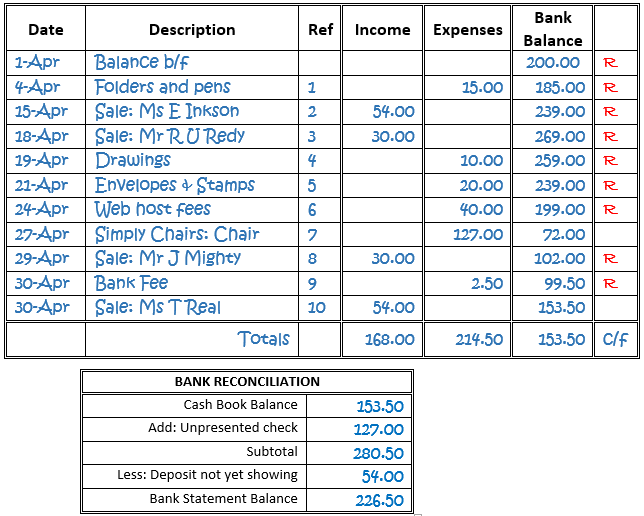
Successfully handling accounts payable and receivable is an important aspect of an accountant's function, ensuring that a company's money flow stays healthy. This duty involves monitoring outgoing and inbound payments, which enables prompt invoicing and collections from customers while additionally assuring that the company fulfills its monetary obligations to suppliers and vendors.
Bookkeepers have to maintain precise records of billings, repayment terms, and due dates, helping with reliable interaction with financial institutions and customers. By keeping an eye on these accounts, they can recognize discrepancies or overdue accounts, allowing positive measures to settle problems before they escalate.
In addition, a bookkeeper's duty includes reconciling accounts to guarantee that all monetary purchases straighten with bank statements and interior records. This diligence not just boosts monetary openness but likewise sustains calculated economic preparation, permitting the company to designate sources efficiently and maintain a robust monetary setting.
Ensuring Compliance With Financial Laws
While guiding via the complex landscape of financial guidelines, an accountant plays a necessary role in guaranteeing an organization sticks to lawful requirements and standards. This responsibility consists of remaining updated on adjustments in tax obligation regulations, conformity needs, and industry-specific guidelines. Best Bookkeeping Calgary. By diligently tracking economic transactions and preserving accurate documents, the accountant helps protect against violations that might lead to penalties or legal problems
Furthermore, the accountant keeps track of interior controls to protect versus fraud and mismanagement. They implement procedures that advertise transparency and responsibility within the economic structure of the company. Cooperation with auditors and regulatory bodies additionally solidifies conformity initiatives, as bookkeepers supply needed documentation and assistance during testimonials.
Eventually, the commitment to conformity not only protects the organization yet additionally enhances its integrity with stakeholders, cultivating trust fund and stability in its financial methods.
Preparing Financial Statements and News
Preparing economic declarations and records is an important task for accountants, as it gives stakeholders with a clear introduction of an organization's economic health and wellness. Best Bookkeeper Calgary. These papers, which generally consist of the annual report, income declaration, and money circulation statement, sum up the monetary tasks and placement of business over a certain period. Bookkeepers diligently gather, record, and arrange economic data to assure accuracy and compliance with applicable accountancy standards
The preparation process entails reconciling accounts, validating transactions, and changing entries as needed. Through this detailed technique, bookkeepers help assure that financial statements show real state of the company's finances. Additionally, prompt prep work of these reports is important for effective decision-making by administration, financiers, and governing bodies. By giving exact and clear economic documentation, bookkeepers play an important role in keeping openness and trust within the monetary ecosystem of the company.
Providing Financial Insights and Evaluation
Bookkeepers evaluate monetary data to supply beneficial insights that inform critical decision-making within an organization. By thoroughly examining trends in profits, expenditures, and cash money circulation, they assist determine areas for renovation and emphasize prospective dangers. Bookkeeping Services Calgary. These insights allow administration to assign sources better and readjust organization approaches appropriately

By leveraging economic software and logical devices, bookkeepers can present information in a comprehensible and clear layout, making it simpler for decision-makers to grasp complicated economic problems. Eventually, the insights originated from an accountant's evaluation empower companies to make informed selections that boost earnings and drive development.
Frequently Asked Inquiries
What Software Devices Do Expert Bookkeepers Normally Utilize?
Expert accountants typically make use of software program devices such as copyright, Xero, Sage, and FreshBooks. These applications streamline monetary management, promote exact record-keeping, and enhance reporting capacities, permitting reliable handling of economic purchases and data evaluation.
Just how Does a Bookkeeper Differ From an Accountant?
An accountant primarily handles day-to-day economic purchases and record-keeping, while an accountant evaluates monetary data, prepares statements, and offers tactical recommendations. Their functions enhance each various other but concentrate on distinct aspects of monetary management.

What Qualifications Are Required to Become an Accountant?
To end up being a bookkeeper, people typically require click here a senior high school diploma, effectiveness in bookkeeping software application, and knowledge of standard accountancy principles. Some might seek accreditations or associate levels to improve their credentials and work leads.
How Frequently Should Financial Records Be Updated?
Financial documents must be upgraded routinely, preferably on a weekly or day-to-day basis, to ensure precision and timeliness. This practice permits effective monitoring of economic activities and supports educated decision-making within the organization.
Can an Accountant Help With Tax Obligation Preparation?
Yes, a bookkeeper can help with tax prep work by organizing financial records, ensuring accurate paperwork, and giving needed records. Their knowledge assists simplify the process, making it much easier for tax obligation professionals to complete returns effectively.
They are tasked with maintaining accurate economic records, handling accounts receivable and payable, and ensuring conformity with economic policies. Preparing financial statements and reports is an important task for accountants, as it provides stakeholders with a clear summary of an organization's financial health. Through this comprehensive approach, bookkeepers help assure that financial statements show the real state of the company's finances. By leveraging monetary software application and logical devices, bookkeepers can present data in a comprehensible and clear style, making it simpler for decision-makers to understand complex economic concerns. An accountant mainly takes care of daily financial purchases and record-keeping, while an accountant evaluates economic information, prepares declarations, and uses strategic advice.
Comments on “Why choose the Best Bookkeeping Calgary for personalized financial management”